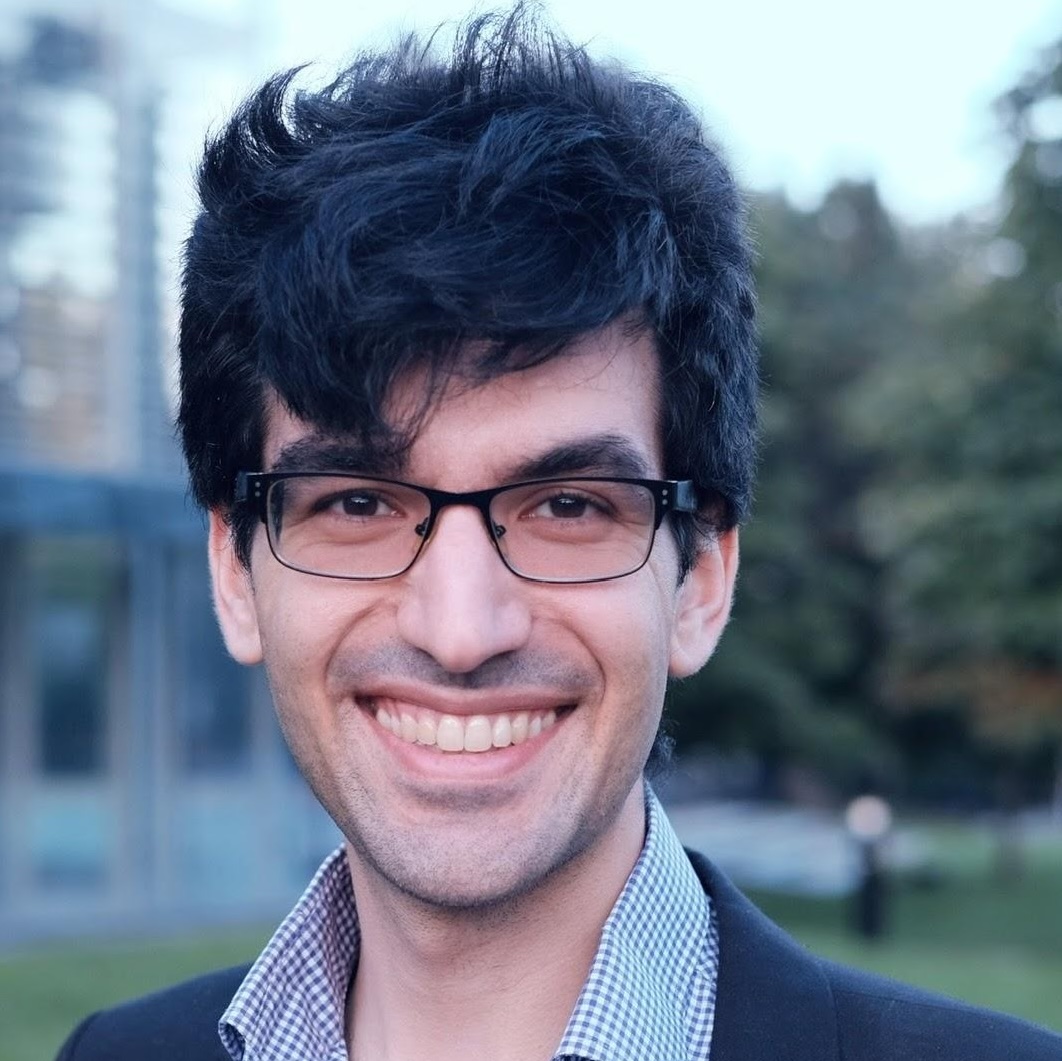
Alborz Bejnood
He/Him
Currently: Scientist at Tango Therapeutics
Election history: 2nd-time candidate for School Committee
He/Him
Currently: Scientist at Tango Therapeutics
Election history: 2nd-time candidate for School Committee
Alborz Bejnood is a computational scientist at a Tango Therapeutics, a Boston-based cancer drug biotechnology company. He is the son of two public school teachers.
Alborz is an advocate for leveraging local industries and universities for academic partnerships for CPS students. His policy goals include increasing the number of advanced courses, removing MS degree requirements for teachers, and exploring AI in the classroom.
Pedestrian and cycling safety, policy, infrastructure, governance
Pedestrian and cycling safety, policy, infrastructure, governance
A two-panel candidate night hosted by the Cambridge Advanced Learning Association focused on achievement gaps and advanced learners.
A two-panel candidate night hosted by the Cambridge Advanced Learning Association focused on achievement gaps and advanced learners.
Cambridgeport Neighborhood Association School Committee Candidate Night 2025
Cambridgeport Neighborhood Association School Committee Candidate Night 2025
But advanced coursework is not the only tool that Bejnood hopes to use to enhance CPS education. Bejnood is advocating to improve artificial intelligence literacy for both students and teachers, building on a resolution passed by the School Committee in September to research ways of integrating AI into schools.
“Maybe I’m a little on the naive side, but I don’t actually believe that AI is going to replace us,” Bejnood said.
Instead, he believes that AI should be incorporated into creating more personalized learning plans for students. For teachers, he says that using AI can decrease their time spent on mundane tasks to focus on creating personal connections with students.
Sept. 22, 2025 — Claire JiangBut advanced coursework is not the only tool that Bejnood hopes to use to enhance CPS education. Bejnood is advocating to improve artificial intelligence literacy for both students and teachers, building on a resolution passed by the School Committee in September to research ways of integrating AI into schools.
“Maybe I’m a little on the naive side, but I don’t actually believe that AI is going to replace us,” Bejnood said.
Instead, he believes that AI should be incorporated into creating more personalized learning plans for students. For teachers, he says that using AI can decrease their time spent on mundane tasks to focus on creating personal connections with students.